Kia Picanto: Special driving conditions / Smooth cornering. Driving at night
Smooth cornering
|
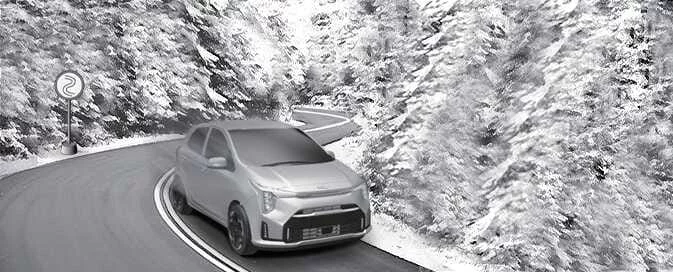
Avoid braking or changing gear while travelling through a corner, particularly when the road is wet. Approach at a suitable speed and, where conditions allow, use gentle acceleration through the turn. Smooth, measured inputs help keep the vehicle settled and minimise unnecessary tyre wear.
Driving at night
|
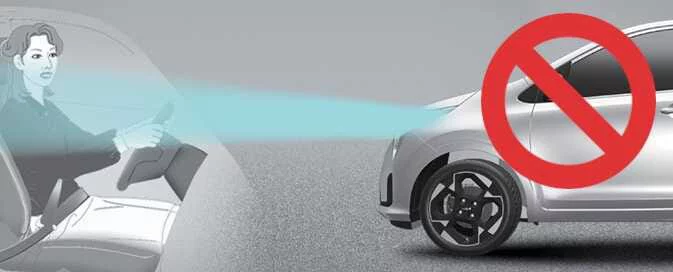
Driving at night presents additional hazards because visibility is reduced and potential obstacles can be harder to recognise. Use the following precautions to give yourself more time and space to respond:
-
Reduce your speed and increase the distance between your vehicle and others. Judging the road ahead can be more difficult after dark, especially on routes without street lighting.
-
Adjust your mirrors to reduce glare from the headlights of vehicles behind you while retaining a useful view of the surrounding traffic.
-
Keep the headlights clean and, on vehicles without automatic headlight aiming, make sure they are correctly aimed. Dirt and incorrect alignment can significantly reduce the light available to see the road at night.
-
Do not stare directly into the headlights of approaching vehicles. Their glare can temporarily impair your vision, and your eyes may need several seconds to readjust to the darkness.
 Hazardous driving conditions. Rocking the vehicle
Hazardous driving conditions
Water, snow, ice, mud, sand and similar hazards can reduce grip and make vehicle control more difficult. When driving
your Kia Picanto in these conditions, adapt your..
 Driving in the rain. Driving in flooded areas
Driving in the rain
Rain makes road surfaces slippery and can reduce visibility at the same time...
Other information:
Ford Explorer 2020-2026 Service Manual: Removal and Installation - Exterior Front Door Handle Reinforcement
Removal NOTE: LH (left-hand) side shown, RH (right-hand) side similar. Remove the front door latch. Refer to: Front Door Latch (501-14 Handles, Locks, Latches and Entry Systems, Removal and Installation). NOTE: This step is only necessary when installing a new component...
Ford Explorer 2020-2026 Owners Manual: Changing the Engine Air Filter - 3.0L
WARNING: To reduce the risk of vehicle damage and personal burn injuries, do not start your engine with the air cleaner removed and do not remove it while the engine is running. When changing the engine air filter, do not allow debris or foreign material to enter the air induction system...
Categories
- Manuals Home
- 6th Generation Explorer Owners Manual
- 6th Generation Explorer Service Manual
- Body and Paint
- General Procedures - Rear Camber Adjustment
- Driveline
- New on site
- Most important about car
Intelligent Access Key
Note: You may not be able to shift out of park (P) unless the intelligent access key is inside your vehicle.