
Ford Explorer: Vehicle Care / Cleaning the Engine
Ford Explorer 2020-2026 Owners Manual / Vehicle Care / Cleaning the Engine
Engines are more efficient when they are clean because grease and dirt buildup keep the engine warmer than normal.
When washing:
- Take care when using a power washer to clean the engine. The high-pressure fluid could penetrate the sealed parts and cause damage.
- Do not spray a hot engine with cold water to avoid cracking the engine block or other engine components.
- Spray Motorcraft Engine Shampoo and Degreaser on all parts that require cleaning and pressure rinse clean. In Canada, use Motorcraft Engine Shampoo.
Note: If your vehicle has an engine cover remove the cover before application of Motorcraft Engine Shampoo and Degreaser. Immediately rinse away any over spray.
- Never wash or rinse the engine while it is hot or running; water in the running engine may cause internal damage.
- Never wash or rinse any ignition coil, spark plug wire or spark plug well, or the area in and around these locations.
- Cover the battery, power distribution box, and air filter assembly to prevent water damage when cleaning the engine.
 Waxing
Regular waxing is necessary to protect your car's paint from the elements. We
recommend that you wash and wax the painted surface once or twice a year...
 Cleaning the Windows and Wiper Blades
Car wash chemicals and environmental fallout can result in windshield and wiper
blade contamination. Dirty windshield and wipers will result in poor windshield
wiper operation...
Other information:
Ford Explorer 2020-2026 Owners Manual: Changing the Engine Air Filter - 2.3L EcoBoost™
WARNING: To reduce the risk of vehicle damage and personal burn injuries, do not start your engine with the air cleaner removed and do not remove it while the engine is running. When changing the engine air filter, do not allow debris or foreign material to enter the air induction system...
Ford Explorer 2020-2026 Owners Manual: Safety Precautions
WARNING: Do not overfill the fuel tank. The pressure in an overfilled tank may cause leakage and lead to fuel spray and fire. WARNING: The fuel system may be under pressure. If you hear a hissing sound near the fuel filler inlet, do not refuel until the sound stops...
Categories
- Manuals Home
- 6th Generation Explorer Owners Manual
- 6th Generation Explorer Service Manual
- Body and Paint
- General Procedures - Transmission Fluid Drain and Refill
- General Service Information
- New on site
- Most important about car
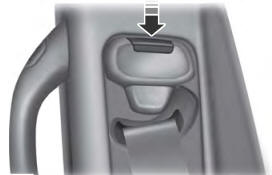
Seatbelt Height Adjustment
WARNING: Position the seatbelt height adjuster so that the seatbelt rests across the middle of your shoulder. Failure to adjust the seatbelt correctly could reduce its effectiveness and increase the risk of injury in a crash.

Copyright © 2026 www.foexplorer.com